
Artificial Intelligence (AI) has been a game-changer across various industries, and manufacturing is no exception. With the advent of Industry 4.0, AI has become an integral part of the manufacturing ecosystem, driving innovation, efficiency, and competitiveness. AI in manufacturing involves the use of machine learning algorithms, robotics, and data analytics to enhance production processes, optimize supply chains, and improve product quality. This article provides a comprehensive overview of AI applications and benefits in manufacturing, highlighting how this technology is transforming the industry.
AI in Manufacturing: A New Era
The integration of AI in manufacturing marks a significant shift from traditional methods to smart manufacturing. AI-powered systems can analyze vast amounts of data, predict outcomes, and make decisions with minimal human intervention. This shift towards automation and data-driven decision-making has opened up new possibilities for manufacturers to improve efficiency, reduce costs, and increase productivity.
Key Applications of AI in Manufacturing
The implementation of AI in manufacturing extends across various applications, transforming every aspect of the production process. From quality control to supply chain optimization, AI technologies are enabling manufacturers to achieve unprecedented levels of precision and efficiency.
Quality Control
AI systems are revolutionizing quality control processes by employing machine learning algorithms to detect defects and anomalies in real-time. Advanced imaging and sensor technologies, combined with AI, can identify minute defects that might be missed by human inspectors. This ensures higher quality products and reduces the rate of defective items reaching the market.
Supply Chain Optimization
AI’s ability to analyze and process large datasets makes it an invaluable tool for supply chain management. By predicting demand, optimizing inventory levels, and identifying potential supply chain disruptions, AI helps manufacturers streamline operations and minimize costs. This leads to more responsive and flexible supply chains, capable of adapting to changing market conditions.
Robotics and Automation
AI-powered robots are becoming more prevalent in manufacturing environments. These robots can perform complex tasks with high precision and consistency, reducing the need for human intervention. Collaborative robots, or cobots, work alongside human workers, enhancing productivity and safety. AI enables these robots to learn and adapt to new tasks, making them versatile assets in the manufacturing process.
Predictive Maintenance
One of the most impactful applications of AI in manufacturing is predictive maintenance. Traditional maintenance methods often rely on scheduled inspections and reactive repairs, which can lead to unexpected downtimes and high repair costs. Predictive maintenance uses AI algorithms to analyze data from sensors and equipment to predict when a machine is likely to fail. This allows manufacturers to perform maintenance proactively, reducing downtime and extending the lifespan of equipment.
Predictive maintenance systems can monitor various parameters such as temperature, vibration, and pressure to detect anomalies that may indicate potential failures. By continuously analyzing this data, AI algorithms can identify patterns and trends that human operators might miss. This enables more accurate predictions and timely maintenance interventions, ultimately improving the reliability and performance of manufacturing equipment.
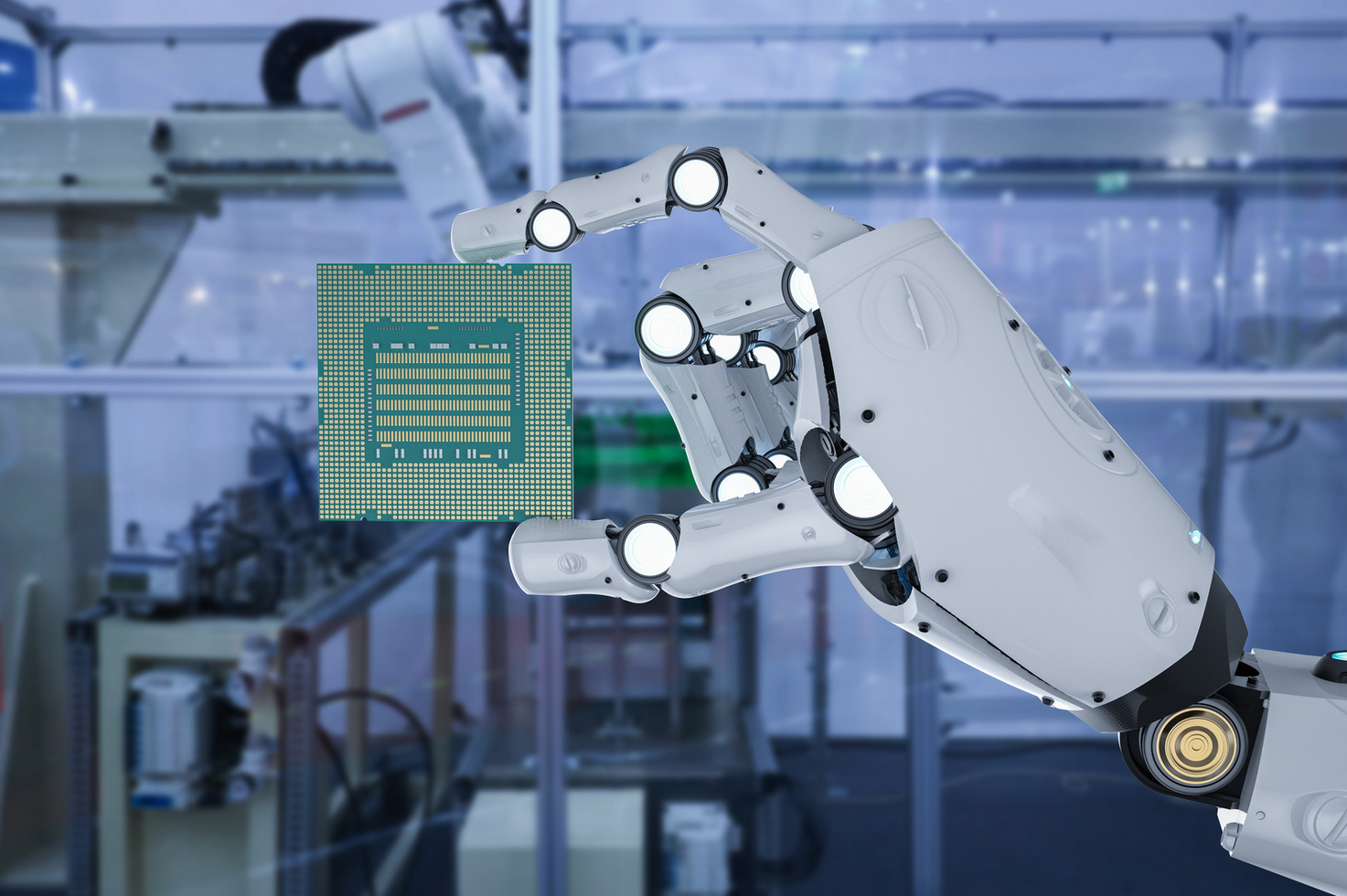
The benefits of predictive maintenance extend beyond reducing downtime and maintenance costs. By preventing unexpected failures, manufacturers can avoid costly production stoppages and meet delivery deadlines more consistently. Additionally, predictive maintenance can help optimize spare parts inventory, as manufacturers can better anticipate when specific components will need replacement. This reduces the need for excessive stockpiling and associated costs.
- Reduced downtime and maintenance costs
- Improved equipment reliability
- Increased operational efficiency
- Optimized spare parts inventory
Quality Control
Quality control is a critical aspect of manufacturing, and AI has significantly improved this area. AI-powered systems can analyze images and data from production lines to detect defects in real-time. Machine learning algorithms can learn from historical data to identify patterns and predict defects before they occur. This not only ensures high product quality but also reduces waste and rework.
AI-driven quality control systems can be deployed at various stages of the manufacturing process, from raw material inspection to final product testing. For example, AI-powered vision systems can inspect components for surface defects, dimensional accuracy, and other quality parameters. These systems can process thousands of images per second, enabling rapid and accurate defect detection.
In addition to vision systems, AI can also be used to monitor and control process parameters that affect product quality. Machine learning algorithms can analyze data from sensors and production equipment to identify deviations from optimal conditions. By continuously monitoring and adjusting process parameters, AI systems can maintain consistent product quality and reduce the likelihood of defects.
- Enhanced product quality
- Reduced waste and rework
- Real-time defect detection
- Improved process control
Supply Chain Optimization
AI plays a crucial role in optimizing supply chains by predicting demand, managing inventory, and ensuring timely delivery of raw materials. AI algorithms can analyze historical data, market trends, and other variables to forecast demand accurately. This helps manufacturers maintain optimal inventory levels, reducing storage costs and minimizing the risk of stockouts or overstocking.
One of the key applications of AI in supply chain optimization is demand forecasting. Traditional demand forecasting methods often rely on historical sales data and simple statistical models. In contrast, AI-powered demand forecasting systems can incorporate a wide range of data sources, including market trends, economic indicators, and even weather patterns. This enables more accurate and dynamic forecasts that can adapt to changing market conditions.
AI can also optimize inventory management by analyzing data on inventory levels, lead times, and supplier performance. Machine learning algorithms can identify patterns and trends in inventory data, helping manufacturers determine the optimal reorder points and quantities for each item. This ensures that manufacturers have the right amount of inventory on hand to meet demand while minimizing carrying costs.
- Accurate demand forecasting
- Optimized inventory management
- Reduced supply chain costs
- Improved supplier performance
Robotics and Automation
Robotics and automation are at the heart of AI in manufacturing. AI-powered robots can perform repetitive tasks with precision and consistency, freeing up human workers for more complex and creative tasks. Collaborative robots (cobots) can work alongside humans, enhancing productivity and safety on the production floor. AI algorithms enable these robots to learn from their environment and improve their performance over time.
One of the key benefits of AI-powered robots is their ability to adapt to changing production requirements. Traditional industrial robots are often programmed to perform a specific set of tasks in a fixed sequence. In contrast, AI-powered robots can learn from experience and adjust their actions based on real-time data. This enables them to handle a wider range of tasks and respond more effectively to variations in the production process.
Collaborative robots, or cobots, are designed to work safely alongside human workers. They are equipped with advanced sensors and AI algorithms that enable them to detect and respond to human presence. This allows cobots to assist with tasks such as assembly, material handling, and quality inspection, enhancing productivity and reducing the risk of workplace injuries.
- Increased productivity and efficiency
- Enhanced safety for human workers
- Greater flexibility in manufacturing processes
- Adaptability to changing production requirements
Process Optimization
AI can optimize manufacturing processes by analyzing data from various sources and identifying inefficiencies. Machine learning algorithms can suggest process improvements, such as adjusting machine settings or altering production schedules. This continuous optimization leads to better resource utilization, reduced energy consumption, and lower production costs.
One of the key applications of AI in process optimization is real-time monitoring and control. AI-powered systems can collect and analyze data from sensors and production equipment to identify deviations from optimal conditions. For example, machine learning algorithms can detect variations in temperature, pressure, or flow rates that may indicate process inefficiencies. By continuously monitoring and adjusting these parameters, AI systems can maintain optimal operating conditions and improve overall process performance.
Another important application of AI in process optimization is predictive process control. Traditional process control methods often rely on predefined setpoints and control algorithms. In contrast, AI-powered predictive process control systems can learn from historical data and predict the impact of various process variables on product quality and performance. This enables more accurate and dynamic control, leading to improved process stability and consistency.
- Improved resource utilization
- Reduced energy consumption
- Lower production costs
- Enhanced process stability and consistency
Predictive Analytics
Predictive analytics in manufacturing involves using AI algorithms to analyze data and predict future outcomes. This can include predicting equipment failures, forecasting demand, or identifying potential supply chain disruptions. By leveraging predictive analytics, manufacturers can make informed decisions and take proactive measures to mitigate risks.
One of the key benefits of predictive analytics is its ability to identify potential issues before they escalate. For example, AI algorithms can analyze data from sensors and production equipment to detect early warning signs of equipment failures. This enables manufacturers to perform maintenance or repairs before a failure occurs, reducing downtime and avoiding costly production stoppages.
Predictive analytics can also be used to forecast demand and optimize production schedules. By analyzing historical sales data, market trends, and other variables, AI algorithms can predict future demand with a high degree of accuracy. This enables manufacturers to adjust production schedules and inventory levels to meet demand more effectively, reducing the risk of stockouts or overproduction.
- Informed decision-making
- Proactive risk management
- Enhanced strategic planning
- Improved demand forecasting and production scheduling
Benefits of AI in Manufacturing
The adoption of AI in manufacturing offers numerous benefits that contribute to improved efficiency, cost savings, and competitive advantage.
Increased Efficiency
AI-powered systems can automate repetitive tasks, optimize production schedules, and improve resource allocation. This leads to increased operational efficiency and higher productivity. Manufacturers can produce more with less, maximizing their output while minimizing waste.
One of the key drivers of increased efficiency is the ability of AI to optimize production processes. AI algorithms can analyze data from sensors and production equipment to identify inefficiencies and suggest process improvements. For example, machine learning algorithms can detect variations in temperature, pressure, or flow rates that may indicate process inefficiencies. By continuously monitoring and adjusting these parameters, AI systems can maintain optimal operating conditions and improve overall process performance.
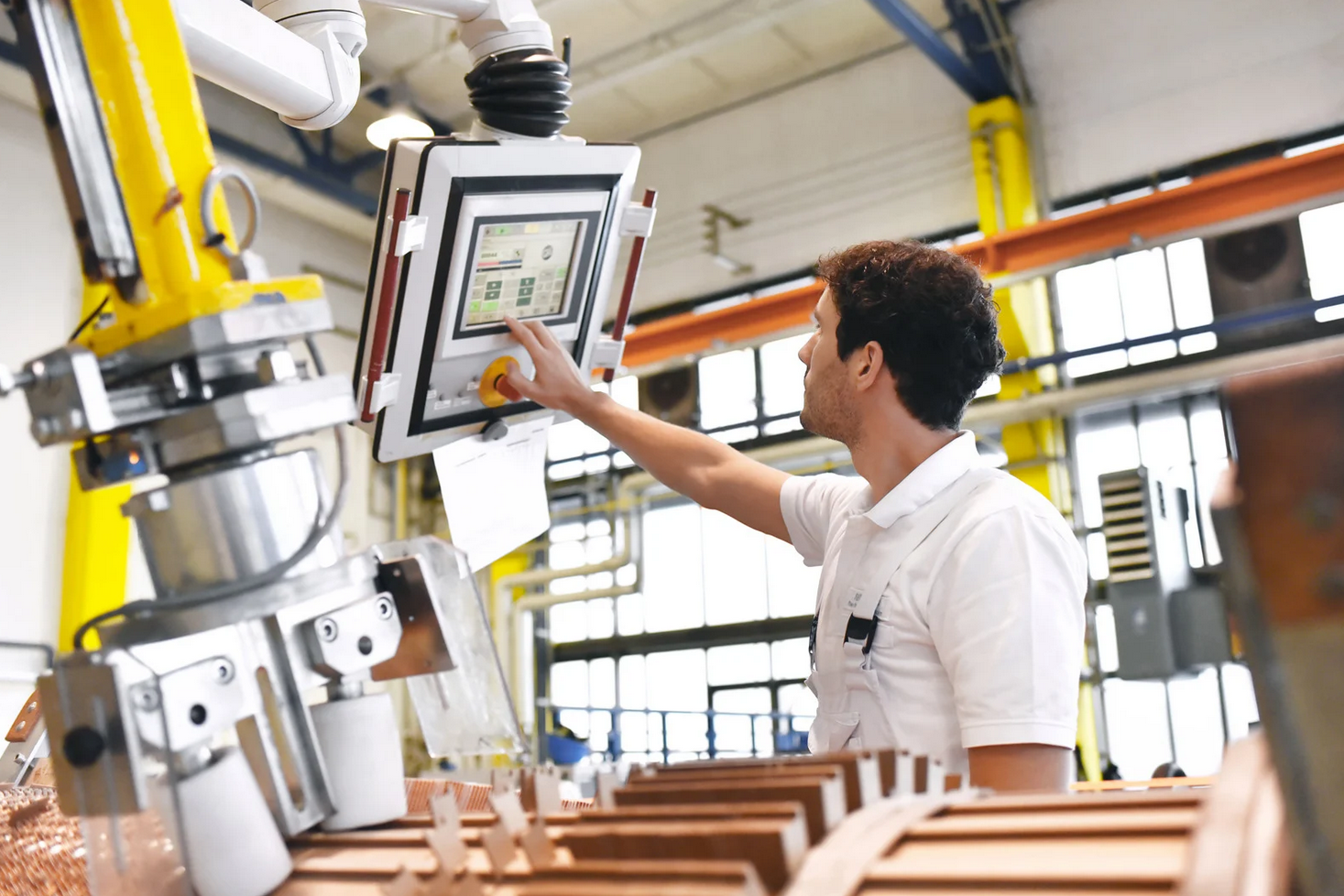
Another important factor contributing to increased efficiency is the ability of AI to automate repetitive tasks. AI-powered robots can perform tasks such as assembly, material handling, and quality inspection with precision and consistency. This frees up human workers for more complex and creative tasks, enhancing overall productivity and efficiency.
Benefits:
- Optimized production processes
- Automated repetitive tasks
- Improved resource allocation
- Higher productivity
Cost Reduction
AI helps manufacturers reduce costs in various ways, such as minimizing downtime, reducing waste, and optimizing supply chains. Predictive maintenance and quality control prevent costly repairs and product recalls, while optimized inventory management reduces storage costs. Overall, AI enables manufacturers to operate more cost-effectively.
One of the key drivers of cost reduction is the ability of AI to minimize downtime. Predictive maintenance systems can monitor equipment performance and detect early warning signs of potential failures. This enables manufacturers to perform maintenance or repairs before a failure occurs, reducing downtime and avoiding costly production stoppages. Additionally, AI-driven quality control systems can detect defects in real-time, preventing defective products from reaching the market and reducing the risk of costly product recalls.
Another important factor contributing to cost reduction is the ability of AI to optimize supply chains. AI algorithms can analyze data from various sources, such as sales data, market trends, and supplier performance, to forecast demand and optimize inventory levels. This helps manufacturers maintain optimal inventory levels, reducing storage costs and minimizing the risk of stockouts or overstocking. By improving supply chain efficiency, AI enables manufacturers to reduce supply chain costs and operate more cost-effectively.
Benefits:
- Minimized downtime through predictive maintenance
- Reduced waste and rework through AI-driven quality control
- Optimized inventory management
- Lower storage and supply chain costs
Enhanced Product Quality
AI-driven quality control systems ensure that products meet high standards of quality and consistency. Real-time defect detection and predictive analytics help identify and address quality issues before they escalate, resulting in fewer defects and higher customer satisfaction.
AI-powered vision systems can inspect components for surface defects, dimensional accuracy, and other quality parameters. These systems can process thousands of images per second, enabling rapid and accurate defect detection. By identifying defects early in the production process, AI systems can prevent defective products from reaching the market, reducing waste and improving overall product quality.
In addition to vision systems, AI can also be used to monitor and control process parameters that affect product quality. Machine learning algorithms can analyze data from sensors and production equipment to identify deviations from optimal conditions. By continuously monitoring and adjusting process parameters, AI systems can maintain consistent product quality and reduce the likelihood of defects.
Benefits:
- Enhanced product quality through real-time defect detection
- Consistent quality through predictive process control
- Reduced waste and rework
- Higher customer satisfaction
Improved Safety
AI-powered robots and automation systems enhance safety in manufacturing environments by taking over dangerous or repetitive tasks. Collaborative robots can work alongside human workers, reducing the risk of injuries and creating a safer workplace.
Collaborative robots, or cobots, are designed to work safely alongside human workers. They are equipped with advanced sensors and AI algorithms that enable them to detect and respond to human presence. This allows cobots to assist with tasks such as assembly, material handling, and quality inspection, enhancing productivity and reducing the risk of workplace injuries.
In addition to cobots, AI-powered systems can also be used to monitor and control hazardous environments. For example, AI algorithms can analyze data from sensors to detect dangerous conditions, such as high levels of toxic gases or excessive heat. By continuously monitoring these conditions, AI systems can trigger alarms or take corrective actions to prevent accidents and ensure the safety of workers.
Benefits:
- Reduced risk of workplace injuries through collaborative robots
- Enhanced safety in hazardous environments
- Improved monitoring and control of dangerous conditions
- Safer working conditions for human workers
Competitive Advantage
Manufacturers that leverage AI gain a competitive edge by improving their agility, responsiveness, and innovation. AI enables manufacturers to adapt to changing market conditions, meet customer demands more effectively, and stay ahead of competitors.
One of the key factors contributing to competitive advantage is the ability of AI to enhance innovation. AI algorithms can analyze vast amounts of data to identify trends, patterns, and opportunities for improvement. This enables manufacturers to develop new products and processes that meet changing customer demands and market conditions. By leveraging AI, manufacturers can stay ahead of competitors and maintain a competitive edge.
Another important factor contributing to competitive advantage is the ability of AI to improve agility and responsiveness. AI-powered systems can analyze real-time data to make quick and informed decisions. This enables manufacturers to respond more effectively to changes in demand, supply chain disruptions, and other market conditions. By improving agility and responsiveness, AI helps manufacturers meet customer demands more effectively and maintain a competitive edge.
Benefits:
- Enhanced innovation through data-driven insights
- Improved agility and responsiveness
- Ability to meet changing customer demands
- Competitive edge in the market
Case Studies of AI in Manufacturing
General Electric (GE)
General Electric (GE) has been at the forefront of integrating AI into its manufacturing processes. GE uses AI-powered predictive maintenance to monitor its equipment and predict failures before they occur. This has resulted in significant cost savings and reduced downtime. GE also uses AI for quality control, analyzing data from production lines to detect defects in real-time.
Predictive maintenance at GE involves the use of machine learning algorithms to analyze data from sensors embedded in equipment. These algorithms can detect patterns and trends that indicate potential failures, allowing GE to perform maintenance proactively. By preventing unexpected failures, GE can reduce downtime and extend the lifespan of its equipment.
In addition to predictive maintenance, GE has implemented AI-driven quality control systems to enhance product quality. These systems analyze data from production lines to detect defects in real-time. By identifying defects early in the production process, GE can take corrective actions to prevent defective products from reaching the market. This has resulted in higher product quality and reduced waste.
- Impact:
- Reduced downtime and maintenance costs
- Enhanced product quality
- Improved operational efficiency
Siemens
Siemens has implemented AI across its manufacturing operations to optimize processes and improve efficiency. Siemens uses AI algorithms to analyze data from its production lines, identifying inefficiencies and suggesting process improvements. The company also uses AI-powered robots for tasks such as assembly and material handling, enhancing productivity and safety.
One of the key applications of AI at Siemens is process optimization. AI algorithms analyze data from sensors and production equipment to identify deviations from optimal conditions. By continuously monitoring and adjusting process parameters, Siemens can maintain optimal operating conditions and improve overall process performance.
Siemens also uses AI-powered robots to automate repetitive tasks and enhance productivity. These robots are equipped with advanced sensors and AI algorithms that enable them to learn from their environment and improve their performance over time. By automating tasks such as assembly and material handling, Siemens can reduce the risk of workplace injuries and enhance overall efficiency.
- Impact:
- Optimized manufacturing processes
- Increased productivity and efficiency
- Enhanced safety for workers
BMW
BMW has integrated AI into its manufacturing processes to enhance quality control and production efficiency. BMW uses AI-powered systems to analyze data from its production lines, identifying defects and optimizing production schedules. The company also uses AI for predictive maintenance, reducing downtime and extending the lifespan of its equipment.
AI-driven quality control at BMW involves the use of machine learning algorithms to analyze data from sensors and production equipment. These algorithms can detect patterns and trends that indicate potential defects, allowing BMW to take corrective actions before defects occur. This has resulted in higher product quality and reduced waste.
In addition to quality control, BMW uses AI for predictive maintenance. AI algorithms analyze data from sensors embedded in equipment to detect early warning signs of potential failures. By performing maintenance proactively, BMW can reduce downtime and extend the lifespan of its equipment. This has resulted in significant cost savings and improved operational efficiency.
- Impact:
- Improved product quality
- Reduced downtime and maintenance costs
- Enhanced production efficiency
Challenges of AI in Manufacturing
While AI offers numerous benefits, its implementation in manufacturing also comes with challenges. Understanding these challenges is crucial for manufacturers to effectively leverage AI and maximize its potential.
Data Quality and Integration
AI relies heavily on data, and the quality of data can significantly impact the effectiveness of AI algorithms. Manufacturers need to ensure that their data is accurate, complete, and consistent. Additionally, integrating data from various sources can be complex and time-consuming.
One of the key challenges related to data quality is ensuring that data is accurate and consistent. Inconsistent or inaccurate data can lead to incorrect predictions and suboptimal decisions. Manufacturers need to implement data governance practices to ensure that data is accurate, complete, and consistent.
Integrating data from various sources can also be challenging. Manufacturing operations often involve multiple systems and data sources, including sensors, production equipment, and enterprise resource planning (ERP) systems. Integrating data from these sources can be complex and time-consuming, requiring the use of data integration tools and platforms.
- Solutions:
- Implement data governance practices to ensure data quality
- Use data integration tools and platforms to streamline data integration
- Regularly validate and clean data to maintain accuracy and consistency
Skills and Expertise
Implementing AI in manufacturing requires specialized skills and expertise. Manufacturers need professionals who understand AI technologies, data analytics, and machine learning algorithms. The shortage of skilled professionals can be a significant barrier to AI adoption.
One of the key challenges related to skills and expertise is finding and retaining skilled professionals. The demand for AI and data analytics professionals is high, and the supply of qualified candidates is limited. Manufacturers need to invest in training and development programs to build a skilled workforce.
Collaborating with educational institutions and industry experts can also help manufacturers address the skills gap. By partnering with universities and research institutions, manufacturers can access cutting-edge knowledge and expertise in AI and data analytics. Additionally, industry associations and professional organizations can provide training and certification programs to help build a skilled workforce.
- Solutions:
- Invest in training and development programs for employees
- Collaborate with educational institutions and industry experts
- Partner with industry associations and professional organizations for training and certification programs
Cost of Implementation
The initial cost of implementing AI in manufacturing can be high. This includes the cost of hardware, software, and infrastructure, as well as the cost of hiring skilled professionals. Small and medium-sized manufacturers may find it challenging to afford these costs.
One of the key challenges related to the cost of implementation is managing the upfront investment. AI projects often require significant upfront investment in hardware, software, and infrastructure. Additionally, the cost of hiring skilled professionals can add to the overall cost of implementation.
To manage the cost of implementation, manufacturers can start with pilot projects to demonstrate the value of AI. By starting with small-scale projects, manufacturers can minimize the upfront investment and gradually scale up their AI initiatives. Additionally, seeking funding and grants from government programs and industry associations can help offset the cost of implementation.
- Solutions:
- Start with pilot projects to demonstrate the value of AI
- Seek funding and grants from government programs and industry associations
- Gradually scale up AI initiatives as they demonstrate success and gain confidence in the technology
- Explore partnerships with technology providers for cost-effective solutions
Change Management
Implementing AI in manufacturing requires significant changes to existing processes and workflows. This can be met with resistance from employees who are accustomed to traditional methods. Effective change management is essential to ensure a smooth transition.
One of the key challenges related to change management is overcoming resistance to change. Employees may be reluctant to adopt new technologies and workflows, especially if they are not familiar with AI. Manufacturers need to communicate the benefits of AI to employees and involve them in the implementation process.
Providing training and support is also crucial for successful change management. Employees need to understand how to use AI-powered systems and how these systems will impact their work. By providing comprehensive training and support, manufacturers can help employees adapt to new technologies and workflows.
- Solutions:
- Communicate the benefits of AI to employees and stakeholders
- Involve employees in the AI implementation process
- Provide comprehensive training and support to help employees adapt to new technologies
- Foster a culture of continuous improvement and innovation
Future of AI in Manufacturing
The future of AI in manufacturing is promising, with continued advancements in technology and increasing adoption across the industry. AI will play a critical role in shaping the future of manufacturing, driving innovation, and enhancing competitiveness.
Smart Factories
The concept of smart factories, where machines and systems are interconnected and communicate with each other, will become more prevalent. AI will enable these smart factories to operate autonomously, optimizing production processes and reducing the need for human intervention.
In smart factories, AI algorithms can analyze data from sensors and production equipment to identify inefficiencies and suggest process improvements. By continuously monitoring and adjusting process parameters, AI systems can maintain optimal operating conditions and improve overall process performance. Additionally, AI-powered robots can perform tasks such as assembly, material handling, and quality inspection with precision and consistency.
- Benefits:
- Autonomous operation of smart factories
- Optimized production processes
- Reduced need for human intervention
- Enhanced productivity and efficiency
Advanced Robotics
Advancements in robotics will lead to the development of more sophisticated and capable robots. AI-powered robots will be able to perform complex tasks with precision and adaptability, further enhancing productivity and efficiency in manufacturing.
One of the key advancements in robotics is the development of collaborative robots, or cobots. Cobots are designed to work safely alongside human workers, enhancing productivity and reducing the risk of workplace injuries. AI algorithms enable cobots to detect and respond to human presence, allowing them to assist with tasks such as assembly, material handling, and quality inspection.
Another important advancement is the development of autonomous mobile robots (AMRs). AMRs can navigate complex environments and perform tasks such as material transport and inventory management. AI algorithms enable AMRs to learn from their environment and improve their performance over time, making them valuable assets in manufacturing operations.
- Benefits:
- Advanced capabilities of AI-powered robots
- Enhanced productivity and efficiency
- Improved safety for human workers
- Increased flexibility and adaptability in manufacturing processes
Personalized Manufacturing
AI will enable personalized manufacturing, where products are tailored to individual customer preferences. This will involve the use of AI algorithms to analyze customer data and customize production processes accordingly.
One of the key applications of AI in personalized manufacturing is mass customization. AI algorithms can analyze customer data to identify preferences and trends, enabling manufacturers to produce customized products at scale. For example, AI-powered systems can adjust production parameters to produce custom designs, colors, and features based on individual customer preferences.
AI can also enhance the customer experience by enabling more personalized interactions. For example, AI-powered chatbots can provide personalized recommendations and support based on customer preferences and behavior. This can help manufacturers build stronger relationships with customers and increase customer satisfaction.
- Benefits:
- Tailored products to individual customer preferences
- Enhanced customer experience through personalized interactions
- Increased customer satisfaction and loyalty
- Competitive advantage through mass customization
Sustainable Manufacturing
AI will play a crucial role in promoting sustainable manufacturing practices. AI algorithms can optimize resource utilization, reduce energy consumption, and minimize waste, contributing to a more sustainable and environmentally-friendly manufacturing industry.
One of the key applications of AI in sustainable manufacturing is energy optimization. AI algorithms can analyze data from sensors and production equipment to identify opportunities for energy savings. For example, machine learning algorithms can detect patterns in energy consumption and suggest process adjustments to reduce energy usage. This can help manufacturers reduce their carbon footprint and operate more sustainably.
AI can also optimize resource utilization by identifying inefficiencies and suggesting process improvements. For example, AI algorithms can analyze data on material usage and identify opportunities to reduce waste and improve resource efficiency. This can help manufacturers minimize waste and reduce their environmental impact.
- Benefits:
- Optimized energy consumption through AI algorithms
- Reduced waste and improved resource efficiency
- Enhanced sustainability and environmental friendliness
- Contribution to a more sustainable manufacturing industry
Ethical and Social Considerations
Fairness and Bias in AI
As AI systems become more prevalent in manufacturing, it is essential to address issues of fairness and bias. AI algorithms can sometimes produce biased or unfair outcomes, particularly if the data used to train them is biased. For example, if an AI system is trained on data that reflects existing inequalities or biases, it may perpetuate these biases in its predictions and decisions.
To ensure fairness, manufacturers need to implement measures to detect and mitigate bias in their AI systems. This includes using diverse and representative datasets, regularly auditing AI algorithms for bias, and implementing fairness constraints in the design and training of AI models.
- Solutions:
- Use diverse and representative datasets for training AI algorithms
- Regularly audit AI systems for bias and fairness
- Implement fairness constraints in AI model design and training
- Foster a culture of ethical AI development and use
Transparency and Explainability
Transparency and explainability are critical aspects of ethical AI implementation. Manufacturers need to ensure that their AI systems are transparent and that the decisions made by these systems can be explained and understood by humans. This is particularly important in scenarios where AI-driven decisions have significant consequences, such as quality control or maintenance scheduling.
To enhance transparency, manufacturers can use techniques such as model interpretability and explainable AI (XAI). These techniques provide insights into how AI algorithms make decisions, enabling manufacturers to understand and trust the outcomes produced by AI systems. Additionally, clear communication and documentation of AI processes and decisions can help build trust and accountability.
- Solutions:
- Implement model interpretability and explainable AI techniques
- Ensure clear communication and documentation of AI processes and decisions
- Provide training and support to employees to understand AI-driven decisions
- Foster a culture of transparency and accountability in AI use
Impact on Workforce
The adoption of AI in manufacturing has significant implications for the workforce. While AI can enhance productivity and efficiency, it can also lead to job displacement and changes in job roles. Manufacturers need to consider the impact of AI on their workforce and take steps to support employees through the transition.
Reskilling and upskilling programs are essential to help employees adapt to new technologies and take on new roles. These programs should focus on developing skills in areas such as data analytics, AI programming, and machine learning. Additionally, manufacturers should foster a culture of continuous learning and innovation, encouraging employees to embrace new technologies and stay updated with industry advancements.
- Solutions:
- Invest in reskilling and upskilling programs for employees
- Provide support and resources for employees to transition to new roles
- Foster a culture of continuous learning and innovation
- Address concerns about job security and ensure a positive impact on the workforce
Conclusion
AI in manufacturing represents a transformative opportunity for the industry, offering numerous applications and benefits that enhance efficiency, reduce costs, and improve product quality. From predictive maintenance and quality control to supply chain optimization and autonomous manufacturing, AI is revolutionizing the way manufacturers operate.
The future of AI in manufacturing is promising, with continued advancements in technology and increasing adoption across the industry. AI will play a critical role in shaping the future of manufacturing, driving innovation, and enhancing competitiveness. Manufacturers that embrace AI will gain a competitive edge, positioning themselves for long-term success in the rapidly changing manufacturing landscape.
As AI continues to evolve, it will unlock new possibilities and opportunities for manufacturers, paving the way for a more efficient, productive, and sustainable industry. By leveraging the power of AI, manufacturers can achieve unprecedented levels of efficiency, productivity, and competitiveness, positioning themselves for long-term success in the rapidly changing manufacturing landscape.
However, it is essential to address the ethical and social implications of AI adoption. Ensuring fairness, transparency, and accountability in AI systems, and supporting the workforce through reskilling and upskilling programs, are critical to harnessing the full potential of AI while ensuring a positive impact on society.
In conclusion, the integration of AI in manufacturing is not just a technological advancement; it is a strategic imperative that will define the future of the industry. By embracing AI, manufacturers can transform their operations, drive innovation, and achieve sustainable growth in an increasingly competitive and dynamic market. The journey towards AI-driven manufacturing has just begun, and the potential for growth and transformation is immense. It is up to manufacturers to seize this opportunity and lead the way into the future of smart, efficient, and sustainable manufacturing.