Welcome to AweRobotics.com
The Only *ROBOTICS Resource You’ll Ever Need!
Begin your Robotics journey by clicking on one of the core Robotics Technologies below!
Recent Robotics Tech & News
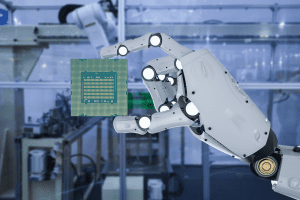
July 18, 2024Artificial Intelligence (AI) has been a game-changer across various industries, and manufacturing is no exception. With the advent of Industry 4.0, AI has become an integral part of the manufacturing ecosystem, driving innovation, efficiency, and competitiveness. AI in manufacturing involves the use of machine learning algorithms, robotics, and data analytics to enhance production processes, optimize supply chains, and improve product quality. This article provides a comprehensive overview of AI applications and benefits in manufacturing, highlighting how this technology is transforming the industry. AI in Manufacturing: A New Era The integration of AI in manufacturing marks a significant shift from traditional methods to smart manufacturing. AI-powered systems can analyze vast amounts of data, predict outcomes, and make decisions with minimal human intervention. This shift towards automation and data-driven decision-making has opened up new possibilities for manufacturers to improve efficiency, reduce costs, and increase productivity. Key Applications of AI in Manufacturing The implementation of AI in manufacturing extends across various applications, transforming every aspect of the production process. From quality control to supply chain optimization, AI technologies are enabling manufacturers to achieve unprecedented levels of precision and efficiency. Quality Control AI systems are revolutionizing quality control processes by employing machine learning algorithms to detect defects and anomalies in real-time. Advanced imaging and sensor technologies, combined with AI, can identify minute defects that might be missed by human inspectors. This ensures higher quality products and reduces the rate of defective items reaching the market. Supply Chain Optimization AI’s ability to analyze and process large datasets makes it an invaluable tool for supply chain management. By predicting demand, optimizing inventory levels, and identifying potential supply chain disruptions, AI helps manufacturers streamline operations and minimize costs. This leads to more responsive and flexible supply chains, capable of adapting to changing market conditions. Robotics and Automation AI-powered robots are becoming more prevalent in manufacturing environments. These robots can perform complex tasks with high precision and consistency, … Read more […]Read more…
July 12, 2024Artificial Intelligence (AI) and Machine Learning (ML) have revolutionized various sectors by providing intelligent solutions to complex problems. The rapid advancements in these fields have led to an increased demand for skilled professionals who can harness the power of AI and ML to drive innovation and efficiency. Learning AI and ML is not just about understanding the theoretical aspects; it’s about applying these technologies to real-world scenarios to create meaningful impact. This comprehensive guide aims to provide a complete resource for AI and Machine Learning courses, helping you navigate through the plethora of options available and choose the right path for your career growth.In this article, we will explore the fundamentals of AI and ML, their importance in today’s world, and the various types of courses available to help you master these technologies. We will delve into the top course providers, specialized training programs, and tips for selecting the best course to match your career goals. Additionally, we’ll look at the future trends in AI and ML education and how they are shaping the next generation of AI professionals. Whether you’re a beginner or looking to advance your skills, this guide is designed to help you make informed decisions and succeed in your AI and ML learning journey.What are AI and Machine Learning?Artificial Intelligence (AI) refers to the simulation of human intelligence in machines that are programmed to think and learn like humans. AI encompasses a wide range of technologies and applications, from natural language processing and computer vision to robotics and expert systems. The goal of AI is to create systems that can perform tasks that typically require human intelligence, such as reasoning, problem-solving, understanding language, and recognizing patterns. AI systems can be categorized into narrow AI, which is designed to perform specific tasks, and general AI, which has the capability to perform any intellectual task that a human can do.Machine Learning (ML) is a subset of AI that … Read more […]Read more…
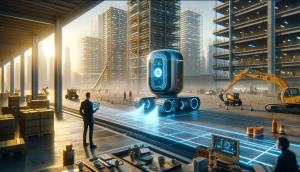
February 18, 2024As the construction industry stands poised on the cusp of a transformative era, the integration of Artificial Intelligence in the Construction Industry promises to revolutionize its very essence. Traditionally reliant on manual labor and conventional methodologies, the sector now finds itself at the forefront of technological advancement. AI, with its ability to process vast amounts of data and perform complex tasks with remarkable precision, is rapidly reshaping every facet of construction, from initial planning stages to project completion. What was once a realm primarily driven by human expertise and experience is now increasingly augmented by intelligent algorithms and machine learning models, ushering in a new era of efficiency, safety, and innovation.At the heart of AI’s integration into the construction industry lies its unparalleled capacity to streamline processes and optimize resource utilization. Through the analysis of historical data and real-time inputs, AI algorithms can forecast project timelines, identify potential bottlenecks, and allocate resources with unprecedented accuracy. This predictive capability not only enhances project planning and scheduling but also mitigates risks associated with delays and cost overruns. Moreover, AI-powered systems can optimize construction workflows by automating repetitive tasks, such as site monitoring, quality control, and inventory management, thereby freeing up human labor for more specialized and creative endeavors. By harnessing the power of AI, construction companies can achieve higher productivity levels and deliver projects in a more cost-effective and timely manner.The integration of AI technologies holds immense promise for enhancing safety standards within the construction industry. The inherently hazardous nature of construction work poses significant risks to workers’ health and well-being, as well as to project timelines and budgets. However, AI-driven solutions, such as predictive analytics and wearable sensors, enable proactive risk management and accident prevention. By analyzing historical incident data and real-time environmental factors, AI algorithms can identify potential safety hazards and alert project managers and workers in advance. Additionally, AI-powered autonomous vehicles and drones can conduct site inspections and surveillance, … Read more […]Read more…
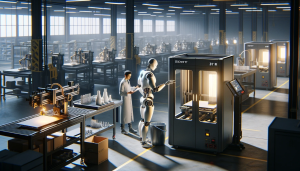
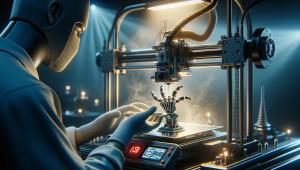
February 15, 2024The union of robotics and 3D printing represents a monumental leap forward, propelling industries into an era of unprecedented innovation and efficiency. This groundbreaking convergence, aptly termed Robotics 3D Printing, stands as a beacon of technological prowess, harnessing the unparalleled precision and adaptability of robotics alongside the boundless creativity and customization potential of 3D printing. In this comprehensive exposition, we embark on a journey through the intricate realms of this fusion, delving deep into its foundational principles, revolutionary technological advancements, diverse applications spanning multiple sectors, the formidable challenges it confronts, and the tantalizing vista it unveils for the future of human ingenuity.At the heart of Robotics 3D Printing lies a symbiotic relationship between two titans of modern engineering: robotics and additive manufacturing. By seamlessly integrating these disciplines, Robotics 3D Printing transcends traditional boundaries, offering a new paradigm of production that redefines the very essence of creation. This article endeavors to dissect the intricacies of this convergence, unraveling its complexities and illuminating its transformative potential across a myriad of industries.Join us as we embark on an odyssey through the captivating realm of Robotics 3D Printing, where innovation knows no bounds, and the horizon of possibilities stretches far beyond the confines of imagination.The Revolutionary Convergence of Robotics and 3D PrintingThe marriage of robotics and 3D printing is not merely an incremental advancement but a revolutionary development poised to redefine the boundaries of possibility across various industries. This convergence, termed Robotics 3D Printing, combines the dynamic adaptability and precision of robotics with the creative potential of 3D printing, thereby offering unparalleled capabilities in creating complex, tailored, and high-value products. The significance of this integration lies in its potential to pioneer the future of the Fourth Industrial Revolution, marking a paradigm shift in how products are conceived, designed, and manufactured.The essence of robotics 3D printing extends beyond the amalgamation of two technologies; it represents a new frontier in manufacturing that promises increased efficiency, customization, … Read more […]Read more…
February 15, 2024The convergence of 3D printing and robotics has sparked a revolution, propelling automation to unprecedented heights of accessibility and adaptability. At the forefront of this revolution is the 3D printed robot arm, a marvel of engineering prowess and ingenuity. Unlike traditional robotic arms, which often come with hefty price tags and limited customization options, these innovative creations offer a tantalizing blend of affordability and flexibility, democratizing access to advanced robotics technology. By harnessing the power of 3D printing, enthusiasts and professionals alike can now design and fabricate robotic arms tailored to their specific needs and applications. This newfound freedom has unleashed a wave of creativity and innovation, fueling a burgeoning ecosystem of DIY robotics projects and educational initiatives. From hobbyists tinkering in their garages to researchers pushing the boundaries of automation, the appeal of 3D printed robot arms transcends traditional boundaries, offering a glimpse into the future of robotics.However, while the promise of 3D printed robot arms is undeniably enticing, it is not without its challenges and complexities. One of the primary hurdles facing this emerging technology is the need for precision engineering and meticulous design. Unlike conventional manufacturing processes, where tolerances and material properties are well understood, 3D printing introduces a host of variables that can impact the performance and reliability of robotic arms. From layer adhesion and print resolution to material strength and durability, each aspect of the printing process must be carefully optimized to ensure optimal functionality. Moreover, the inherent limitations of 3D printing technology, such as print bed size and material selection, can pose additional constraints on the design and fabrication of complex robotic components. Balancing these technical considerations with the desire for affordability and accessibility is a delicate dance, requiring interdisciplinary expertise and innovative solutions.Nevertheless, despite these challenges, the momentum behind 3D printed robot arms continues to grow, driven by a relentless pursuit of innovation and progress. In industrial settings, these versatile creations are revolutionizing … Read more […]Read more…
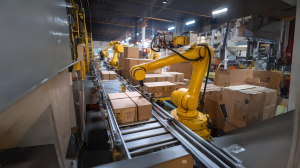
February 14, 2024The landscape of warehouse operations has undergone a transformative evolution over the past few decades, fundamentally altering how businesses manage inventory, fulfill orders, and ensure the efficiency and reliability of their supply chains. This shift has been largely driven by technological advancements, with warehouse automation standing out as a pivotal innovation. The adoption of robotic warehouse systems marks a significant leap forward, offering a solution to the growing demands of modern commerce and logistics. As industries strive for greater efficiency and adaptability, the integration of robotics into warehouse operations has emerged as a key strategy to navigate the complexities of today’s market dynamics.Warehouse operations have traditionally been labor-intensive, characterized by manual tasks such as picking, packing, and sorting. This model, while functional, presents numerous challenges, including high labor costs, the potential for human error, and limitations in speed and scalability. The advent of warehouse robotics heralds a new era, promising to address these challenges head-on. Robotics in warehouses brings unprecedented levels of automation, precision, and efficiency to the table, reshaping the foundational aspects of warehouse management. From automated guided vehicles (AGVs) and robotic arms to sophisticated software systems that orchestrate every move within the warehouse, the integration of these technologies is revolutionizing the way warehouses operate.The introduction of robotics into warehouse operations is not merely a technological upgrade but a strategic transformation that offers expansive benefits for businesses in the 21st century. The adoption of robotic warehouse systems enhances efficiency in warehouse operations, drives cost reduction strategies, and improves warehouse safety and ergonomics. It paves the way for scalable warehouse operations, elevates customer satisfaction in logistics, and promotes sustainable warehouse practices. This comprehensive guide will delve into the myriad benefits of warehouse robotics, showcasing how they contribute to building more resilient, efficient, and competitive businesses. As we stand on the brink of the future of warehouse robotics, it is clear that the potential for innovation and improvement is boundless, promising … Read more […]Read more…
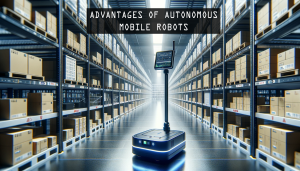
February 10, 2024In the rapidly evolving lanscape of industrial automation, Autonomous Mobile Robots (AMRs) have emerged as a groundbreaking technology, reshaping the way operations and tasks are executed across various sectors. The advantages of Autonomous Mobile Robots are manifold, including their ability to understand and interact with their environment in real-time, thanks to sophisticated sensors, artificial intelligence (AI), and advanced navigation systems. Unlike their predecessors, AMRs offer unparalleled flexibility, efficiency, and intelligence in robotic solutions, enabling them to perform a wide range of tasks—from transporting materials within a manufacturing facility to navigating complex environments in service industries. This capability represents a significant leap forward from traditional automation systems, highlighting the transformative impact of AMRs in enhancing operational workflows and productivity.The development and adoption of AMRs have been driven by the growing need for businesses to enhance their operational efficiency and productivity while maintaining high standards of safety and quality. In an era where consumer demands are constantly evolving, and the need for rapid delivery of goods and services is ever-increasing, AMRs offer a solution that combines speed, precision, and adaptability. These robots can autonomously navigate through facilities, avoiding obstacles and optimizing their routes for maximum efficiency. The integration of AMRs into the operational ecosystem of industries marks a pivotal shift towards more dynamic, responsive, and intelligent systems, capable of supporting complex operations and delivering tangible benefits.The rise of AMRs reflects a broader trend towards digital transformation and smart manufacturing practices. As industries strive to stay competitive in a global market, the adoption of AMRs is becoming a critical component of strategic innovation. By leveraging the capabilities of AMRs, businesses are not only able to streamline their operations but also unlock new opportunities for growth and development. The potential of AMRs to transform industries extends beyond mere automation; it represents a fundamental shift in how tasks are approached and executed, promising to redefine the future of work and industry.Exploring the World of Autonomous … Read more […]Read more…
January 20, 2024The world of robotics is a testament to human ingenuity, where every component, no matter how small, plays a crucial role in the overall functionality and efficiency of the robot. Among these components, wheels stand out as critical elements that dictate a robot’s mobility and adaptability to its environment. This guide delves into the diverse types of wheels for robots, illuminating how each design contributes to the robot’s operational efficacy. The significance of wheels in robotics cannot be understated, as they are the primary means through which robots interact with their surroundings. Whether it’s navigating the smooth floors of an automated warehouse or traversing the unpredictable terrain of a distant planet, the type of wheel equipped on a robot significantly influences its performance and capabilities. This comprehensive exploration into robot wheels types aims to provide an in-depth understanding of the various wheel designs available and their respective applications in the field of robotics.In this journey through the world of robot wheels, we will uncover the nuances of each type, from the traditional to the innovative, and examine how advancements in technology, such as 3D printing, have revolutionized robot wheel manufacturing techniques. This guide serves as an invaluable resource for those in the field of robotics – from engineers and designers to hobbyists – offering insights into the intricate world of robot wheel design and functionality. By understanding the different types of wheels and their specific uses, one can better appreciate the complexities involved in creating robots that are not only functional but also efficient and versatile in their applications.The Role of Wheels in RoboticsWheels are the cornerstone of a robot’s mobility, providing the necessary support and movement capabilities required for various tasks. In the realm of robotics, wheels are more than just tools for locomotion; they embody the intricate relationship between design, functionality, and the environment in which a robot operates. The evolution of wheel technology in robotics has witnessed … Read more […]Read more…
December 19, 2023In an age where technology is rapidly reshaping our world, the fields of robotics and programming stand at the forefront of this transformation. These disciplines are no longer confined to research labs or industrial settings; they have entered our homes, schools, and daily lives, sparking curiosity and creativity in enthusiasts of all ages. Programmable robot kits, specifically designed for beginners and young learners, are a remarkable testament to this shift. These kits are not just toys; they are powerful educational tools that blend the excitement of hands-on building with the intellectual challenge of coding.This comprehensive guide is tailored for those embarking on their journey into the captivating world of robotics. Whether you are a parent seeking to ignite a passion for STEM (Science, Technology, Engineering, and Mathematics) in your child, a teacher looking to enrich your classroom experience, or a hobbyist new to the realm of robotics, this article is your gateway. We explore the top 5 programmable robot kits available on Amazon, each carefully selected and thoroughly reviewed to ensure you find the perfect match for your needs.Our in-depth analysis focuses on the user-friendliness, versatility, educational value, and overall enjoyment these Arduino robot kits offer. We understand that the best learning experiences come from engaging and interactive activities, and these robot kits promise just that. They are a perfect blend of education and entertainment, making them ideal for beginners who are taking their first steps into the vast and fascinating world of robotics and programming.Join us as we dive into the world of programmable robot kits, where creativity meets technology, and learning becomes an adventure. This article is your first step towards making an informed decision in choosing the right robot kit that not only entertains but also educates, inspires, and opens up a universe of possibilities for beginners and young minds alike.”Top 5 Programmable Robot Kits for BeginnersIn the exciting world of robotics, finding the right starting point … Read more […]Read more…
October 25, 2023In a world increasingly influenced by technological innovation, the field of robotics stands out, paving the way for future advancements that could redefine various industries. The “Introduction to Robotics Mechanics and Control” serves as a foundational pillar for enthusiasts and professionals alike, seeking to understand the complex yet fascinating world of robotics. This comprehensive guide delves deep into the intricate mechanics underlying robotic applications and the control systems that ensure these machines can perform tasks accurately, efficiently, and flexibly. Understanding these concepts is not just for academic or industrial pursuits; it is a window into a future where robotics impacts every facet of our lives.The journey through “Introduction to Robotics Mechanics and Control” is akin to unlocking new levels of a sophisticated game, where each stage uncovers deeper, more complex mysteries and marvels of the robotic world. From the basics of design and movement to the nuanced algorithms that provide robots with almost human-like dexterity and decision-making capabilities, each page turns is a step towards not just understanding but inventing the future. It’s not merely about machines; it’s about the harmonious blend of physics, mathematics, and computer science that creates entities capable of changing the world.As we embark on this enlightening journey, it is crucial to remember that the field of robotics is ever-evolving. What may be a groundbreaking innovation today could become a standard feature tomorrow. Therefore, the “Introduction to Robotics Mechanics and Control” is more than a guide; it’s a compass that directs curious minds towards uncharted territories waiting to be discovered. This exploration promises to challenge, inspire, and ignite a passion for a realm where science fiction meets reality.Grasping the Fundamentals of RoboticsAt the heart of understanding robotics is grasping the fundamental principles that govern how robots are designed, structured, and brought to life. The inception of any robotic system starts with mechanics, the branch of physics concerned with the behavior of physical bodies when subjected to … Read more […]Read more…
October 23, 2023In an era where technology perpetually reshapes the commercial landscape, Amazon stands at the vanguard, introducing Next-Gen Humanoid Robots into their operational ecosystem. These sophisticated machines embody the pinnacle of innovation, marking a transformative phase in how online retail giants manage their extensive logistics networks. With an intricate blend of artificial intelligence, machine learning, and advanced robotics, these humanoid robots are not merely a testament to technological progression but signify a bold new direction for e-commerce platforms. They are designed to coexist with their human counterparts, undertaking a myriad of tasks that range from sorting products to managing inventory, thereby streamlining operations in a manner previously deemed the stuff of science fiction.The advent of Next-Gen Humanoid Robots in Amazon’s warehouses represents a critical juncture in the online retail sector. Their integration into various facets of the supply chain is a strategic move, calculated to fortify the company’s position as a global leader in innovation and efficiency. By harnessing the unparalleled precision and speed of these advanced automations, Amazon aims to set new benchmarks in customer satisfaction and operational excellence. The deployment of these robots goes beyond enhancing productivity; it is a strategic maneuver, highlighting Amazon’s commitment to pioneering futuristic technologies that redefine the consumer experience and the very framework of online retail.Entering this realm of robotic aid isn’t merely about keeping up with technological trends. For Amazon, the shift toward utilizing Next-Gen Humanoid Robots is a proactive approach to handling the exponential growth of online shopping. As digital storefronts attract more consumers, the demand on logistics, inventory management, and customer service skyrockets, necessitating a revolutionized approach to handling the surge. These robots, with their human-like dexterity and cognitive computing capabilities, are the answer to the complex challenges of a rapidly evolving marketplace, offering solutions that propel the industry forward while setting a precedent for others to follow.Unveiling the Next-Gen Humanoid Robots at AmazonThe unveiling of Next-Gen Humanoid Robots within Amazon’s … Read more […]Read more…
September 19, 2023The construction industry, rooted in age-old techniques, has witnessed a myriad of changes over the centuries. From the awe-inspiring pyramids of Egypt to the skyscrapers that define modern cityscapes, construction methodologies have continually evolved, adapting to the challenges and demands of each era. Today, as we stand at the crossroads of another transformation, the integration of robotics into construction practices signifies not just an incremental change, but a paradigm shift. This shift promises to redefine construction processes, ensuring efficiency, precision, and unparalleled quality. As we delve into the world of robotics in the construction industry, it’s essential to understand the journey thus far, the current technological landscape, and the potential for future innovations.From the utilization of basic tools and manual labor to the incorporation of machinery and computer-aided design, the construction sector has always been at the forefront of adopting innovations. Yet, with rising global populations and the consequent demand for infrastructure, the industry faces challenges that require solutions beyond traditional practices. Enter robotics, a blend of cutting-edge technology and engineering, poised to revolutionize construction methodologies, ensuring projects are not only completed faster but also with a level of precision hitherto unseen.The integration of robotics in the construction industry isn’t a mere trend; it’s a necessity driven by multiple factors. Labor shortages, the quest for perfection, tight project timelines, and heightened safety standards have all accelerated the need for automation and robotics. As the world becomes increasingly urbanized and the demand for infrastructure grows, the construction industry must equip itself with the tools and technologies to meet these challenges head-on.Brief Overview of the Construction Industry’s History and EvolutionThe construction industry, one of the oldest sectors, has a rich tapestry of evolution. Ancient civilizations, with their limited tools and techniques, achieved architectural wonders, laying the foundation for modern construction practices. The Egyptian pyramids, Roman aqueducts, and Greek temples stand as testaments to the ingenuity of early builders. However, these marvels, though … Read more […]Read more…
September 19, 2023The surge of technological advancements in the past century has reshaped countless facets of human life. Among the most profound transformations has been the metamorphosis of industries, driven primarily by industrial automation and robotics. These innovations not only redefine the nature of work and production but also the very fabric of modern industries. As we stand at the intersection of technology and industry, it’s imperative to understand the depth and breadth of these changes.At the heart of this revolution is the relentless pursuit of efficiency, accuracy, and scalability. No longer is automation about mere mechanization; it’s about intelligent systems capable of decision-making, learning, and adapting. Robotics, once a fantasy of science fiction, is now an everyday reality, transforming mundane tasks into automated processes and complex operations into precision-driven tasks.The convergence of various technologies such as artificial intelligence, machine learning, and the Internet of Things (IoT) with traditional manufacturing practices has birthed a new era of industrial operations. This article aims to dissect this vast and intricate subject, offering insights into its nuances, applications, and implications.What is Industrial Automation?Industrial automation is the strategic application of modern technologies to control, monitor, and optimize production processes. It’s the shift from manual operation to automated machinery and systems, ensuring better quality, higher output, and often, reduced operational costs. The essence of industrial automation lies in its capacity to replace human intervention with intelligent systems, resulting in heightened efficiency and consistency.Beyond just machinery, industrial automation integrates a suite of technologies, including software, hardware, and advanced control systems, to create a seamless, efficient, and responsive production environment. This shift isn’t merely about speed or volume; it’s about harnessing data, refining processes, and continuously adapting to the ever-changing market demands.The quest for perfection in production has always existed. However, with the advent of computerization and digitization, the potential to achieve near-perfect operations became palpable. Industries began to see the tangible benefits – reduced waste, fewer errors, and … Read more […]Read more…
September 10, 2023Machine Learning Techniques for Robot Navigation have transformed the realm of robotics from science fiction to reality. In this all-encompassing guide, we delve into the latest advancements in machine learning that are reshaping autonomous robot navigation. From Reinforcement Learning to Imitation Learning, Semantic Segmentation, Simultaneous Localization and Mapping (SLAM), and Deep Reinforcement Learning (DRL), we explore how robots are now mastering intelligent and autonomous navigation.Understanding the Basics of Robot NavigationBefore we dive into the exciting world of machine learning techniques, let’s establish a solid understanding of the fundamentals of robot navigation.Traditional Navigation MethodsTraditional robot navigation relies on a set of well-defined components:Sensors: Robots are equipped with various sensors, including cameras, lidar, ultrasonic sensors, and GPS, which provide essential data about their surroundings. These sensors collect information about obstacles, distances, and critical environmental details.Mapping: To navigate successfully, robots create and maintain maps of their environment using sensor data. These maps help robots understand the structure of the environment, including the location of obstacles and open spaces.Localization: Localization determines the precise position of the robot within the map. This information is crucial for the robot to understand its current location relative to its destination and any obstacles in the way.Path Planning: Path planning algorithms compute a safe and efficient route from the robot’s current position to its destination while avoiding obstacles and adhering to predefined constraints.Control: Control algorithms translate the planned path into motor commands, enabling the robot to follow the desired trajectory.While traditional navigation methods work well in many scenarios, they have limitations when dealing with dynamic or unknown environments. This is where machine learning comes into play.The Role of SensorsSensors are the eyes and ears of a robot. These devices collect data from the robot’s surroundings, providing critical information for navigation. Cameras capture visual data, lidar sensors measure distances to objects, ultrasonic sensors detect obstacles, and GPS provides global positioning information.A key challenge in traditional navigation is sensor fusion. Robots … Read more […]Read more…
August 11, 2023In the age of smart technology, robot vacuums have become an integral part of many households, streamlining the cleaning process. One question that often arises is, “Can robot vacuums go over bumps?” Understanding this capability involves exploring the technology, design, and functionality of these devices.As convenient as robot vacuums are, bumps and uneven surfaces can pose challenges. This in-depth guide will explore the mechanics, design attributes, user strategies, and much more about robot vacuums’ ability to navigate over bumps. The comprehensive information provided here aims to clear any confusion and offer practical insights.From the sensors that detect obstacles to strategies that ensure optimal performance, the answer to the question “Can robot vacuums go over bumps?” is more complex than a simple yes or no. This article aims to leave no stone unturned, diving deep into all aspects related to this topic.Understanding the MechanicsRobot vacuums have become an essential tool in modern household cleaning, but many wonder if these devices can handle uneven surfaces and bumps. The mechanics of a robot vacuum, especially its structural design and navigation system, are engineered to navigate spaces and even go over bumps. Some models have specialized suspension systems to manage uneven surfaces, while advanced navigation technologies like infrared sensors or Lidar help in precise movements and cleaning patterns, even on surfaces with bumps.The capability of robot vacuums to go over bumps also extends to their cleaning mechanics and energy management. Rotating brushes and airflow mechanisms work in harmony to sweep and suction debris, even when navigating bumps or uneven terrain. Battery management is also crucial, balancing the energy needs of various components to ensure that the vacuum can traverse bumps without quickly draining its power.Modern robot vacuums offer features that enhance their ability to go over bumps, such as software and user interfaces that allow manual control and customization. By understanding how the mechanical parts interact with these software systems, users can optimize the … Read more […]Read more…
August 9, 2023The world of pool maintenance has been transformed by the introduction of robotic pool cleaners. These ingenious devices offer a hands-free and efficient method to keep swimming pools clean and inviting. But how do robotic pool cleaners work? This comprehensive guide explores every aspect of this fascinating technology, from its fundamental components to its intricate cleaning process, benefits, and considerations when choosing the perfect cleaner for your pool.Understanding the Technology Behind Robotic Pool CleanersRobotic pool cleaners represent a remarkable fusion of mechanical engineering and intelligent design. These autonomous machines are built to function independently, traversing the pool’s floor, walls, and sometimes even the waterline to scrub away dirt, algae, and debris. The fundamental technology behind robotic pool cleaners involves a blend of innovative features, each working in harmony to ensure thorough cleaning. From advanced navigation systems to efficient filtration, the technology encompasses various aspects that contribute to the cleaner’s effectiveness.At the heart of the cleaner are the drive motor and tracks, which provide mobility, and the pump motor, which creates the suction necessary for vacuuming. Coupled with these core components are intelligent navigation systems that employ sensors and algorithms to chart the pool’s dimensions, optimizing cleaning paths and avoiding obstacles. Additionally, the filtration system plays a vital role in trapping collected debris, and various control interfaces allow customization and manual steering. The choice between corded or battery-operated power sources further adds to the technological considerations, each with its advantages. Together, these components showcase the complexity and ingenuity of the technology that makes robotic pool cleaners a standout innovation in modern pool maintenance.A General OverviewRobotic pool cleaners are autonomous devices that clean pools without human intervention. These machines are equipped with sophisticated technology to scrub, vacuum, and filter all types of debris from a swimming pool. But the underlying mechanisms that answer the question, “how do robotic pool cleaners work?” involve complex engineering and design, explained in detail below.Core Components of … Read more […]Read more…
August 9, 2023In a world driven by technological strides, the presence of robots has become increasingly pronounced across various industries, ushering in new efficiencies and redefining the way we work. From assembly lines to operating rooms, robots have demonstrated their prowess. However, amidst these marvels of engineering, a fundamental question persists: Why Robots Can’t Replace Humans? This extensive exploration delves into the multifaceted dynamics of this inquiry, meticulously dissecting the myriad reasons why robots cannot entirely supplant humans across a diverse array of domains.When we envision the future, the amalgamation of human ingenuity and artificial intelligence looms large. Robots, with their precision and ability to execute tasks relentlessly, have indubitably transformed industries. Their impact is evident in sectors such as manufacturing, where they have optimized production processes and improved accuracy. However, beneath the veneer of robotic advancements lies a critical aspect that distinguishes humans from their mechanical counterparts—our innate creativity, emotional depth, and nuanced decision-making.The Role of Robots in Modern SocietyIn the intricate landscape of our modern society, robots have seamlessly ingrained themselves across diverse industries, catalyzing transformative shifts in how tasks are undertaken and accomplishments achieved. Their unwavering precision, tireless work ethic, and unparalleled efficiency have not only propelled sectors to unprecedented levels of productivity but have also sparked a profound reevaluation of the roles humans hold in these processes.From meticulously optimizing assembly lines within sprawling manufacturing plants to seamlessly collaborating with skilled surgeons in the intricate domain of medical procedures, robots have etched their indelible mark as indispensable contributors to our contemporary world. Yet, within this realm of remarkable technological feats, a fundamental inquiry persists: Can robots authentically inherit the roles and responsibilities that humans hold, spanning the vast spectrum of tasks and endeavors?Want to try your luck with programming a robot from scratch with a beginner friendly robot kit?  Look no further, check out our Top 5 Best Programmable Robot Kits for Beginners page here:  https://www.awerobotics.com/top-5-best-programmable-robot-kits-for-beginners/.This extensive exploration embarks … Read more […]Read more…
June 30, 2023The 21st century marked an era of rapid advancement in technology, giving birth to numerous innovations that have profoundly transformed our lives. One such revolutionary innovation is the advent of humanoid robots, especially in the manufacturing sector. They have emerged as a game-changer, promising to redefine traditional manufacturing paradigms. This introductory section will lay the groundwork for understanding this evolving landscape, its potential advantages, and associated challenges.Furthermore, the potential of humanoid robots to fill the gap in labor-intensive industries, streamline operations, and increase efficiency has gained significant attention. These robots, with their dexterity and cognitive abilities, are not just reshaping the way we think about manufacturing but are also raising intriguing questions about the future of work, human-robot interaction, and ethics.Defining Humanoid RobotsHumanoid robots can be broadly defined as robots designed to emulate or resemble human form and behavior. They have the ability to perform tasks in ways similar to humans, which includes walking on two legs, grasping objects with hands, and even mimicking human senses. These characteristics make them ideal for executing tasks in human-centric environments.The origins of humanoid robots can be traced back to science fiction and the collective human imagination that dreamed of creating machines in our likeness. Fast forward to the present day, and this dream has become a reality. We now have humanoid robots capable of walking, talking, and even exhibiting rudimentary emotions.Want to try your luck with programming a robot from scratch with a beginner friendly robot kit?  Look no further, check out our Top 5 Best Programmable Robot Kits for Beginners page here:  https://www.awerobotics.com/top-5-best-programmable-robot-kits-for-beginners/.Importance of Humanoid FormOne might wonder, ‘Why is the humanoid form significant?’ The answer lies in the versatility offered by humanoid robots. These machines have the unique potential to replace humans in environments designed for people – think of workplaces, homes, and even public spaces. This adaptability and compatibility are particularly beneficial in sectors like manufacturing, which are predominantly designed … Read more […]Read more…
June 29, 2023In today’s rapidly evolving world, technology is transforming various aspects of our lives, including education. One such technological innovation that holds immense potential is the integration of humanoid robots in educational settings. These advanced robots, designed to mimic human-like features and behaviors, offer unique opportunities to enhance learning experiences and engage students in new and exciting ways. In this article, we will explore the application and benefits of humanoid robots in education, focusing on how they contribute to the enhancement of learning experiences.Interactive Teaching and LearningHumanoid robots have gained increasing attention in the field of education for their ability to interact with students, deliver educational content, and support various learning activities. They have the potential to revolutionize traditional teaching methodologies by providing personalized, interactive, and immersive learning experiences. Let’s delve into the key role of humanoid robots in interactive teaching and learning.Personalized InstructionOne of the primary roles of humanoid robots in education is facilitating personalized instruction. These robots can serve as engaging tutors, offering tailored guidance to each student based on their individual learning needs and preferences. With advanced natural language processing capabilities, humanoid robots can understand student queries, provide explanations, and adapt their teaching approaches to match the unique learning pace of each student. This personalized instruction fosters active student participation and promotes a deeper understanding of educational concepts.Collaborative LearningHumanoid robots also excel in promoting collaborative learning experiences in educational settings. They can act as facilitators during group projects, guiding students through discussions, promoting teamwork, and ensuring equitable participation. These robots can offer prompts, ask thought-provoking questions, and provide feedback to encourage critical thinking and effective collaboration among students. By leveraging their advanced sensing and communication capabilities, humanoid robots create an inclusive and interactive learning environment where students learn from and with each other.Immersive Experiential LearningAnother significant aspect of humanoid robots in education is their ability to provide immersive experiential learning opportunities. These robots can simulate real-world scenarios, allowing … Read more […]Read more…
June 29, 2023The field of robotics has witnessed a significant evolution in recent years, with humanoid robot companions emerging as a fascinating area of exploration. These robots are designed to interact with humans in social settings, offering companionship, assistance, and even emotional support. In this article, we will delve into the rise of social robots and explore the potential of humanoid robot companions to revolutionize human-robot interactions.Understanding Social RobotsSocial robots are a new breed of robotic systems that are specifically developed to engage with humans in social contexts. Unlike traditional robots, which primarily focus on performing tasks or providing functional assistance, social robots aim to create meaningful and interactive relationships with humans. These robots often exhibit human-like characteristics in terms of appearance, movement, and communication, allowing them to establish a sense of companionship and connection.Design Principles and FeaturesThe design of social robots incorporates various principles and features to enhance their social interaction capabilities. Humanoid robot companions, in particular, are designed to resemble humans in appearance and behavior, with lifelike facial expressions, gestures, and vocalizations. They may also possess sensors and cameras to perceive and interpret human emotions, enabling them to respond em-pathetically and adapt their behavior accordingly.Applications of Social RobotsSocial robots have found diverse applications across different domains. In healthcare, they can provide companionship and support to the elderly, individuals with special needs, and patients undergoing rehabilitation. In education, they can assist in language learning, social skills development, and personalized tutoring. Additionally, social robots are being utilized in customer service, entertainment, and even domestic environments to enhance human-robot interactions and improve overall user experiences.The Emergence of Humanoid Robot CompanionsHumanoid robot companions represent a significant advancement within the realm of social robots. These robots are designed to possess human-like appearances, enabling them to establish a stronger sense of connection and relatability with humans. Humanoid robot companions have the potential to reshape the way we interact with robots, blurring the line between man-made machines … Read more […]Read more…
June 28, 2023In the fast-paced world of healthcare, advancements in technology are continually transforming the way patient care and assistance are delivered. One such remarkable innovation is the integration of humanoid robots in healthcare settings. These humanoid robots, with their human-like appearance and advanced capabilities, have the potential to revolutionize patient care, offering a range of benefits that contribute to improved healthcare outcomes.Embracing Technological Advancements in HealthcareThe healthcare industry has always been at the forefront of adopting new technologies to enhance patient care. With the rise of artificial intelligence (AI) and robotics, humanoid robots have emerged as a promising solution to address various challenges in healthcare delivery. These robots combine the power of AI algorithms, sensor technologies, and sophisticated hardware to simulate human-like interactions and perform a range of tasks related to patient care and assistance.Enhancing Efficiency and AccuracyHumanoid robots are designed to streamline and optimize healthcare processes, improving overall efficiency and accuracy. Their advanced capabilities allow them to perform tasks with precision and consistency, minimizing human errors and reducing the likelihood of adverse events. From medication administration to monitoring vital signs, humanoid robots provide a reliable and standardized approach, ensuring that patients receive the right care at the right time.Bridging the Gap in Caregiver ShortagesThe healthcare industry faces significant challenges in terms of caregiver shortages, particularly in areas with aging populations and high healthcare demands. Humanoid robots offer a potential solution by augmenting the existing workforce and filling gaps in patient care. These robots can assist healthcare professionals in various capacities, such as performing routine tasks, providing companionship, and supporting rehabilitation efforts. By relieving the burden on healthcare staff, humanoid robots help ensure that patients receive adequate attention and care.Emphasizing Patient-Centered CarePatient-centered care lies at the heart of healthcare delivery, aiming to meet patients’ unique needs and preferences. Humanoid robots contribute to this approach by offering personalized and interactive care experiences. With their human-like appearance and natural language processing capabilities, these … Read more […]Read more…
June 28, 2023In today’s fast-paced business landscape, customer service plays a pivotal role in shaping customer satisfaction and loyalty. The advent of humanoid robots in customer service has brought about a revolutionary transformation in how businesses engage with their customers. These humanoid robots, equipped with advanced artificial intelligence and human-like features, are revolutionizing the customer service industry. They are capable of providing personalized assistance, seamless interactions, and efficient support. In this article, we will explore the significant impact of humanoid robots in customer service and how they are reshaping the way businesses deliver exceptional customer experiences.Enhancing Customer ExperienceDelivering exceptional customer experiences is the cornerstone of successful customer service. Humanoid robots in customer service are redefining the customer experience by providing personalized and efficient interactions. These robots can engage with customers in a natural and intuitive manner, offering assistance, answering inquiries, and guiding them through various processes. With their advanced language processing and understanding capabilities, humanoid robots can comprehend and respond to customer needs effectively, ensuring a seamless and satisfying experience.Natural Language InteractionOne of the key strengths of humanoid robots in customer service is their ability to engage in natural language interaction. Customers can communicate with these robots using everyday language, eliminating the need for complex commands or interactions. This natural language processing capability enables customers to seek information, make inquiries, and resolve issues effortlessly, mimicking the experience of interacting with a human representative.Personalized AssistanceHumanoid robots excel in providing personalized assistance to customers. By leveraging data analytics and machine learning algorithms, these robots can access customer information and history to offer tailored recommendations and solutions. Whether it’s suggesting products based on previous purchases, addressing specific concerns, or providing personalized guidance, humanoid robots in customer service can deliver a level of personalization that enhances the customer experience.Emotional Intelligence and EmpathyEmpathy is a crucial aspect of customer service. Humanoid robots are being developed with emotional intelligence capabilities to understand and respond to human emotions effectively. … Read more […]Read more…
June 28, 2023In recent years, the field of robotics has seen remarkable progress, specifically in the realm of future humanoid robots. These state-of-the-art machines, created to emulate and engage with humans, hold immense potential to transform industries and various aspects of our daily lives. This segment delves into the fundamentals of humanoid robots, their impressive capabilities, and the profound impact of their advancements. Discover the fascinating world of future humanoid robots and their game-changing significance.Understanding Humanoid RobotsHumanoid robots are machines specifically engineered to resemble and replicate human form and behavior. These robots are designed to possess a similar level of dexterity and intelligence as humans, enabling them to perform complex tasks and interact with the world in a manner that was once unimaginable. By integrating artificial intelligence, advanced sensors, and precise actuation mechanisms, humanoid robots have the potential to emulate human-like movements and behaviors.Anatomy of Humanoid RobotsThe anatomy of humanoid robots is carefully designed to replicate human characteristics and enable them to perform various tasks. At their core, humanoid robots feature a head, torso, and limbs that closely resemble their human counterparts.The head of a humanoid robot typically contains cameras or sensors for perception, allowing the robot to observe and recognize its surroundings. These sensors capture visual information, enabling the robot to process and interpret the environment.Connected to the head is the torso, which serves as the central processing unit of the robot. It houses the computational systems, such as processors and memory, necessary for analyzing data, making decisions, and executing actions. The torso also serves as the main hub for power distribution, ensuring that the various components of the robot receive the necessary energy to function efficiently.The limbs of humanoid robots, resembling human arms and legs, are equipped with joints and actuators that enable a wide range of movements. These limbs provide mobility and manipulation capabilities, allowing humanoid robots to perform tasks such as walking, grasping objects, and interacting with their … Read more […]Read more…
April 29, 2023Robotics Operating System (ROS) has emerged as a popular platform for developing robotics applications. ROS is a flexible and modular software platform that offers a set of tools, libraries, and conventions for building robotics software. ROS was first introduced in 2007 by Willow Garage, a robotics research lab in Silicon Valley, and is now maintained by the Open Robotics organization.Definition of ROS in RoboticsExplanation of Robotics Operating System (ROS)ROS is a set of software libraries and tools that allow developers to build robotics applications. ROS provides a set of components, including nodes, messages, topics, services, and actions, that allow developers to create modular robotics software. These components enable the communication and coordination of robotic systems, making it easier for developers to create complex robotics applications.Want to try your luck with programming a robot from scratch with a beginner friendly robot kit?  Look no further, check out our Top 5 Best Programmable Robot Kits for Beginners page here:  https://www.awerobotics.com/top-5-best-programmable-robot-kits-for-beginners/.Brief History of ROSROS was first introduced in 2007 by Willow Garage as a way to provide a flexible and modular software platform for building robotics applications. Willow Garage was focused on creating robotics systems that could be used for a wide range of applications, and ROS was developed to help achieve this goal. Since its introduction, ROS has evolved significantly, with new features and capabilities being added with each release.Evolution of ROS over the YearsROS has become a widely adopted platform for robotics development, with a large and active community of users and contributors. Over the years, ROS has evolved significantly, with new features and capabilities being added with each release. Some of the key features that have been added to ROS over the years include support for real-time processing, improved performance, and enhanced security.Key Features and Components of ROSROS provides a set of key features and components that make it easier for developers to create robotics applications. Some of the key … Read more […]Read more…
April 27, 2023In recent years, the field of robotics has made tremendous strides in improving its capabilities, thanks to advancements in artificial intelligence, machine learning, and big data. However, the processing power required to run these complex algorithms is often too much for traditional cloud computing infrastructures to handle. This is where edge computing comes in.Edge computing in robotics is the practice of performing data processing and analysis at the edge of the network, closer to where the data is being generated, rather than relying on a centralized cloud infrastructure. By processing data in real-time at the edge, edge computing can significantly improve the speed and efficiency of robotic systems, making them more responsive, adaptive, and intelligent.In this article, we will explore the concept of edge computing in robotics, its importance, and how it can be implemented for faster processing. We will discuss the key benefits of using edge computing in robotics, the challenges involved, and best practices for implementation. Additionally, we will provide examples of successful applications of edge computing in robotics, and how it is being used in different industries, including manufacturing, healthcare, and logistics.Definition of Edge Computing in RoboticsBefore diving into the benefits and challenges of edge computing in robotics, it is essential to understand what it is and how it works.Explanation of Edge ComputingAt its core, edge computing is a distributed computing architecture that brings computation and data storage closer to where it is needed, in order to reduce latency, improve data processing speeds, and enhance overall system performance.Definition of Edge Computing in RoboticsEdge computing in robotics involves bringing the computing and data storage capabilities closer to the robots themselves, allowing for faster and more efficient processing of data. It involves the use of edge devices, such as sensors, controllers, and gateways, that can perform computing tasks locally, rather than relying on a centralized cloud infrastructure.Importance of Edge Computing in RoboticsWith the increasing demand for faster and more … Read more […]Read more…
April 24, 2023Robotic arms are a type of mechanical arm that are designed to perform tasks with a high degree of precision and accuracy. These machines are widely used in manufacturing, healthcare, space exploration, and other industries, where they have become a critical component in increasing productivity, efficiency, and safety. In this article, we will provide a comprehensive overview of the various components of a robotic arm and their functions, as well as their applications in various industries.Definition of Robotic ArmA robotic arm is a type of mechanical arm that is programmable and designed to perform a wide range of tasks, from simple pick-and-place operations to more complex assembly and welding operations. The basic components of a robotic arm include the arm structure, base, joints, end effector, actuators, control system, and sensors.Arm StructureThe arm structure is the main body of the robotic arm and is responsible for supporting the rest of the components. The arm structure typically consists of one or more arms that are connected to each other through joints. The arm structure must be strong enough to support the weight of the other components and any payloads that the robotic arm may carry.BaseThe base is the stationary part of the robotic arm that is mounted on a fixed surface and provides stability and support for the rest of the components. The base typically consists of a frame or pedestal that is bolted to the floor or other stable surface.JointsThe joints are the movable parts of the robotic arm that allow it to move in different directions and perform a variety of tasks. There are several types of joints used in robotic arms, including revolute, prismatic, and cylindrical joints. Each type of joint allows the robotic arm to move in a different way.End EffectorThe end effector is the tool or device that is attached to the end of the robotic arm and is responsible for performing the actual task. The end … Read more […]Read more…
April 20, 2023Are you interested in learning how to make cardboard robot hands? This engaging DIY project combines creativity, problem-solving skills, and robotics. By following the step-by-step process outlined in this comprehensive guide, you can experiment with different designs and functionalities while gaining a deeper appreciation for the technology that drives modern robotics. Not only will you learn the basics of robotics, but you’ll also enhance your cardboard robot hand-making skills. Let’s get started!Making a Cardboard Robot HandCardboard robot hands are a low-cost and environmentally friendly alternative to metal or plastic robot hands. They offer several benefits, including educational benefits, encouraging creativity and innovation, and enhancing problem-solving skills. In addition, cardboard robot hands can be easily customized and programmed to perform specific tasks or functions. Here is a quick summary of the steps involved in making a cardboard robot hand:Gathering required materialsDesigning the robot handPreparing the cardboardAssembling the robot handProgramming the servos and motorsFine-tuning and testing the robot handFinalizing and perfecting the cardboard robot handThe Value of Creating a Cardboard Robot HandCost-effective and environmentally friendlyCardboard is a low-cost and easily accessible material that can be repurposed for a variety of applications, including robotics. By using cardboard to create a robot hand, you can reduce your environmental footprint and save money on expensive materials.Educational benefitsCreating a cardboard robot hand can be an educational and engaging activity for children and adults alike. It teaches the basics of robotics, mechanical engineering, and programming, and encourages experimentation and innovation.Encouraging creativity and innovationCardboard is a versatile material that can be easily manipulated into different shapes and forms. By creating a cardboard robot hand, you can experiment with different designs, functionalities, and features, and unleash your creativity and innovation.Enhancing problem-solving skillsBuilding a cardboard robot hand requires a combination of problem-solving skills, critical thinking, and creativity. From designing the robot hand to programming the servos and motors, you will encounter a range of challenges that will test your problem-solving … Read more […]Read more…
April 15, 2023In recent years, the rapid development of robotics and artificial intelligence has brought about numerous benefits to society, including increased productivity, efficiency, and cost savings across various industries. However, these advancements have also raised significant ethical concerns, particularly regarding their impact on the workforce and the need to navigate the challenges and potential consequences associated with integrating robots and automation into the workplace. This article will explore the intersection of robotics and human employment ethics, providing a comprehensive overview of the key issues, ethical considerations, and potential solutions for addressing these concerns.Definition of Robotics and its Impact on the WorkforceRobotics is an interdisciplinary field that involves the design, construction, operation, and application of robots. Robots are autonomous or semi-autonomous machines that can perform tasks either independently or with limited human intervention, often replacing or supplementing human labor. As robots become more sophisticated and adaptable, they have the potential to revolutionize a wide range of industries, from manufacturing and agriculture to healthcare, transportation, and beyond.The impact of robotics on the workforce is multifaceted, as they can increase efficiency, improve safety, and expand the range of tasks that can be automated, while also displacing human workers and raising concerns about income inequality and job security. The integration of robots into the workforce has already begun to transform the nature of work, with some jobs being automated entirely, and others becoming more reliant on collaboration between humans and robots. The resulting changes in the labor market have sparked considerable debate, as some argue that these advancements will ultimately lead to widespread job loss, while others believe that they will create new opportunities for employment and drive economic growth.Explanation of Ethical Concerns Related to Robotics and Human EmploymentAs the adoption of robotics in the workforce becomes more prevalent, ethical concerns surrounding their impact on human employment come to the forefront. While the potential benefits of integrating robots into the workplace are undeniable, there are … Read more […]Read more…
April 13, 2023In the world of manufacturing, the use of industrial robots has become increasingly popular due to their ability to increase efficiency and productivity. These robots are designed to perform a variety of tasks with speed and precision, making them a valuable asset to any production line. However, not all robots are created equal, and the materials used to construct them play a critical role in their performance.This is where metal alloys come in. Metal alloys are being widely adopted in the construction of industrial robots due to their unique properties and advantages over other materials. From high strength and durability to thermal and electrical conductivity, metal alloys are enhancing the capabilities of industrial robots in manufacturing.The Importance of Metal Alloys in Industrial RobotsThe importance of metal alloys in industrial robots cannot be overstated. In many manufacturing industries, including automotive, aerospace, and electronics, metal alloys are being used to construct robots that are faster, more accurate, and more efficient than ever before. Metal alloys offer a range of advantages over other materials, including high strength, durability, corrosion resistance, and thermal and electrical conductivity.Metal alloys are also lightweight, making them ideal for use in industrial robots that need to move quickly and accurately. The ability of metal alloys to withstand high temperatures is also a significant advantage in manufacturing processes that involve high heat, such as welding and material handling.The Need for Efficiency and Productivity in ManufacturingEfficiency and productivity are critical factors in manufacturing, and industrial robots play a crucial role in achieving these goals. The use of industrial robots in manufacturing can help companies reduce costs, increase throughput, and improve quality. By automating tasks that were previously done manually, industrial robots can perform tasks faster and with greater precision, resulting in higher efficiency and productivity.However, to achieve these benefits, industrial robots must be constructed using materials that can withstand the rigors of industrial environments while providing the necessary performance characteristics.Key Points … Read more […]Read more…
April 1, 2023The food industry is a highly competitive and constantly evolving industry that requires innovation and efficiency to remain competitive. One of the most significant developments in recent years has been the use of kitchen assistant robots in food preparation. These robots are designed to perform a wide range of tasks, from food preparation to dishwashing, and are becoming increasingly popular in commercial kitchens and restaurants. In this article, we will explore the definition and importance of kitchen assistant robots for sale, the challenges faced by the food industry, and the benefits of using kitchen assistant robots to overcome these challenges.Definition and Importance of Kitchen Assistant Robots for SaleDefinition of Kitchen Assistant RobotsKitchen assistant robots are robotic systems that are designed to assist in food preparation, cooking, and cleaning in commercial kitchens and restaurants. These robots can perform a wide range of tasks, including slicing, dicing, chopping, mixing, and plating food, as well as cleaning dishes and kitchen equipment.Benefits of Using Kitchen Assistant RobotsKitchen assistant robots offer numerous benefits to the food industry, including increased efficiency and productivity, consistency in quality and precision, and cost reduction and enhanced profits.Increased efficiency and productivityKitchen assistant robots can significantly improve efficiency and productivity in commercial kitchens and restaurants. These robots can perform tasks quickly and accurately, reducing the time and effort required for food preparation, cooking, and cleaning. This can lead to faster service times, increased output, and improved customer satisfaction.Consistency in quality and precisionKitchen assistant robots can ensure consistency in quality and precision in food preparation. With robots, chefs can ensure that each dish is made to the exact same specifications every time, leading to improved consistency in food quality and customer satisfaction. Robots can also achieve precision in portioning and cutting, which is essential in the food industry.Cost reduction and enhanced profitsKitchen assistant robots can help reduce labor costs, which is one of the most significant expenses in the food industry. With … Read more […]Read more…


What is Robotics?

AweRobotics.com Home 2

Official Definition: Robotics is an interdisciplinary branch of computer science and engineering. Robotics involves design, construction, operation, and use of robots. The goal of robotics is to design machines that can help and assist humans.


 HUGE Announcement from Our Data Recovery Partner!

In the world of robotics and advanced technology, data is everything. Whether you’re developing cutting-edge robotics projects or collecting crucial data from your smart devices, losing that information can be a major setback. That’s why we’re excited to announce the new developments happening at our friend site eProvided.com!

They specialize in iPhone Data Recovery, using advanced techniques to recover lost data from damaged, dead, or malfunctioning iPhones. Whether it’s critical notes, research data, or important project files, eProvided is equipped to retrieve what matters most.

Just like robotics, data recovery is about precision, innovation, and problem-solving. If you’ve experienced data loss, don’t let it slow down your progress. Visit them and discover how they can help recover your vital information and keep your tech projects moving forward!


When it comes to robotics, no one size fits all. There are a variety of different types of forms that robots can come in. A robot can look like a human, it can be an industrial machine or it can come as a software or application. Generally speaking, if a TASK is repetitive and can be automated, then robotics is a good solution. To see an example of a great robot that you could build, check out our guide on How to Build a Robotic Arm From Scratch.


How Does Robotics Work?

AweRobotics.com Home - how robotics works 1

When it comes to robotics, most people tend to view robots based on things that they’ve seen on film. Movies typically tend to portray robots as either fully autonomous AI-driven humanoid robots or giant fighting robots (as can be seen in the movie franchises “Transformers” or “Pacific Rim”).

The thing about it however, is that we’re still very much far from seeing any of these giant robots freely walking amongst us. Heck, even multi-billion dollar corporations like Tesla, Google, Amazon and Boston Dynamics (although Boston Dynamics is not a billion-dollar corporation per-se) still don’t have a working model available. In fact, even when they do come up with a good working prototype, there are still so many things that need to happen throughout our society for us to see a futuristic world of robots as can be seen in movies like iRobot (2004). This can all still be at least decades away.

With that said however, the amount of innovation and money that is currently being poured into the robotics field is astounding. Never has this much money been spent on robotics development before. The goal of our site is to educate you on whats currently happening in the robotics space, and to allow you to learn all about robotics and other technologies associated with it.

Robotics Applications

AweRobotics.com Home - Robotics Applications

Industrial robots and a wide variety of other robots are utilized nowadays to carry out monotonous tasks.
They could appear as standard humanoid robots, robotic exoskeletons, or robotic arms. Manufacturers and warehouses, including those owned by Amazon, Walmart, Best Buy, and others, use industrial robots and robot arms.

What Comprises a Robot?

A robot or robotic system’s actions are guided by a combination of computer programming and algorithms, a remotely controlled manipulator, actuators, control systems — action, processing, and perception — real-time sensors, and an element of automation. More about robotics as a whole here: Where to Begin With Robotics.

Another important aspect of robotics is repeatability. Check out the following article that explains why: What is Repeatability in Robotics!

The Artificial Intelligence Age!

AweRobotics.com Home - artificial intelligence age 1

Another key component of robotics is Artificial Intelligence, or AI for short. The simplest definition of artificial intelligence is that AI is a machine based intelligence (as opposed to natural human or animal based intelligence). What artificial intelligence allows us to do is to have a machine based hardware system (or software) start making decisions on its own. We of course need to be very careful with this all by encoding a set number of rules into the AI system. a machine based intelligence is becoming more and more important in the robotics world as our machines become more autonomous. More about AI here: The Complete Guide to Artificial Intelligence.

3D Printing

When it comes to the robotics manufacturing field, humanity has truly made some strides in the recent history. One thing in particular that stands out is the idea of 3D printing. What 3D printing allows us to do, is to create a physical item out of a three-dimensional digital model, usually by applying successively many thin layers of a material. Using 3D printing to build robots can improve technology and also make robots in general better, smarter, more useful and more agile. 3D printing enables engineers and thought leaders in the robotics world to enhance their products, to grow innovation and to ultimately drive the robotics revolution that is now taking humanity by storm. Check out our guide on 3D printer here: Introduction to 3D Printing – A Complete Guide.

To start/continue your journey in Robotics, click on the following link:  Your Journey Begins Here!

🤖 Want to actually *build* a robot? 👉 This DIY robotics kit is 🔥 on Amazon